

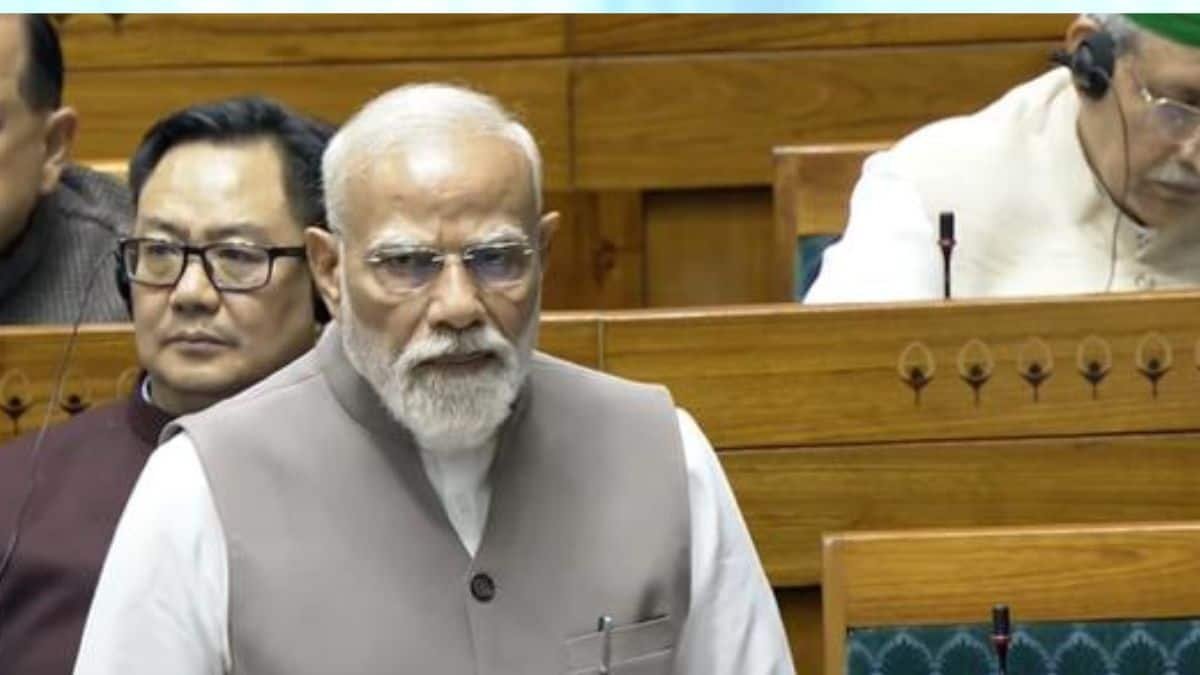
PM Modi will chair a high-level CCS meeting at 7 pm to review the West Asia conflict, focusing on energy security, supply chains, and macroeconomic stability amid global volatility
Prime Minister Narendra Modi will chair an extended Cabinet Committee on Security (CCS) meeting at 7 pm on Wednesday to review the evolving situation in West Asia and its potential implications for India’s energy security, supply chains, and macroeconomic stability.
The meeting follows the March 22 CCS review, where officials conducted a detailed assessment of essential commodities and critical sectors likely to be affected by the ongoing conflict.
The CCS, India’s apex decision-making body on national security, is headed by the Prime Minister and includes Defence Minister Rajnath Singh, Home Minister Amit Shah, Finance Minister Nirmala Sitharaman, and External Affairs Minister S Jaishankar. Several senior ministers handling economic and infrastructure portfolios are also expected to attend.
Also read |
From fuel to flights, 10 ways India is managing the Iran war crisis
Review of essential supplies and coordination
During the March 22 meeting, the government reviewed the availability of food, fertilisers, fuel, and power in light of the global crisis. Prime Minister Modi had directed ministers and secretaries to work in a “coordinated, whole-of-government approach” to mitigate the conflict’s impact.
“The ongoing conflict in West Asia will have significant short, medium and long-term impact on the global economy and its effect on India was assessed, and counter-measures, both immediate and long-term, were discussed,” an official statement said. The meeting also assessed fertiliser availability for the upcoming kharif season, coal stocks at power plants, and diversification of imports in chemicals, pharmaceuticals, and petrochemicals, while exploring new export markets.
On March 31, Prime Minister Modi highlighted India’s effective management of energy challenges despite global volatility, stating, “The situation unfolding in West Asia is having repercussions across the entire world. Difficulties regarding energy requirements, specifically diesel, petrol, and gas, have escalated globally. Yet, even amidst such a crisis, India has successfully kept the situation under control.”
The Prime Minister also
cautioned against fearmongering by opposition parties regarding economic fallout, while Leader of Opposition Rahul Gandhi warned of a potential “financial earthquake” from rising fuel prices.
Since the February 28 escalation involving US and Israeli strikes on Iran, India has closely monitored developments and engaged with global leaders to mitigate potential disruptions to energy, trade, and the broader economy.
End of Article