

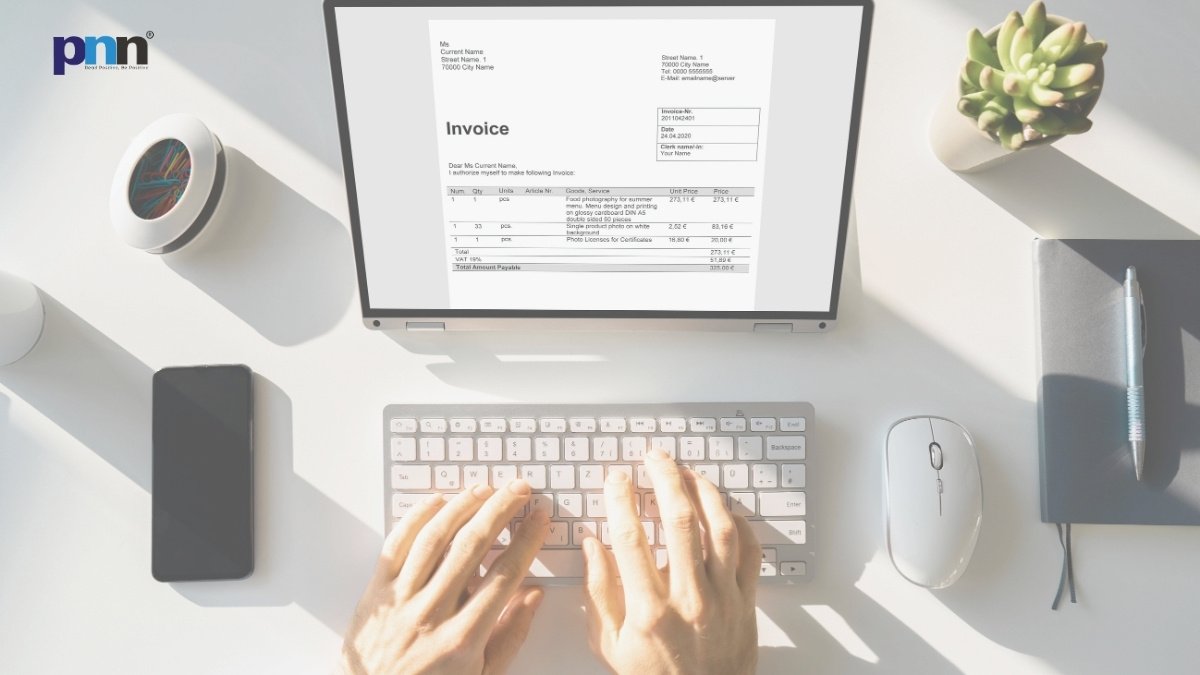
New Delhi [India], April 11: India’s record 140.6 million e-way bills in March may look like routine tax data, but underneath that dry statistic is a much bigger economic story. Rising goods movement across supply chains suggests resilient domestic demand, stronger business activity, and a steadily formalizing economy.
India’s Truck Routes Are Quietly Telling Us Something Big About the Economy
Sometimes economic strength doesn’t show up first in stock markets or GDP headlines or those super polished panel discussions where everyone says “macro environment” every four minutes.
Sometimes it shows up in trucks.
Actual trucks. Moving actual stuff.
Steel rods, packaged snacks, machine parts, tiles, pharma boxes, auto components, maybe even that suspiciously delayed office chair someone ordered three weeks ago.
And right now, India’s goods movement data is sending a pretty loud signal: e-way bill generation hit an all-time high of 140.6 million in March.
At first glance, I know, this sounds painfully unexciting.
E-way bills? Really?
Very spreadsheet-core.
But stick with me because this number matters more than it seems.
An e-way bill is the digital document businesses generate under GST rules when transporting goods worth more than ₹50,000. It tracks the commercial movement of products across supply chains and helps ensure tax compliance. So when these bills spike, it usually means more inventory is being dispatched, stocked, sold, shifted, cleared, or urgently moved before someone in finance starts panicking near year-end closing.
March’s jump wasn’t small either.
The 140.6 million figure was up about 12.9% year-on-year. It also beat the previous record of 138.39 million set in December. Month-on-month, it rose more than 6% from February levels too.
That’s serious movement.
Like warehouse-lights-on-at-midnight movement.
Like “can this dispatch leave today?” movement.
What Record E-Way Bill Volumes Actually Mean
And a big chunk of that activity is likely coming from sectors that rarely slow down. FMCG supply chains keep everyday essentials moving constantly—packaged foods, soap refills, shampoo bottles, biscuits, cleaning products, the kind of stuff people buy almost without thinking. At the same time, auto and manufacturing networks are shipping components, tyres, machinery parts, and finished inventory across dealer and factory ecosystems. So behind this giant compliance number is a very physical picture: trucks loaded with detergent cartons, snack boxes, engine parts, and warehouse pallets rolling across highways.
If you’ve ever been anywhere near operations teams during the last week of March, you know the energy. Someone’s checking inventory sheets for the fifteenth time. Logistics partners are being called nonstop. Finance wants clean books. Sales teams are squeezing in final invoices because every shipment suddenly feels emotionally important.
So yes, part of this spike is seasonal.
Financial year-end behavior absolutely plays a role.
Businesses clear stock. Rationalize inventory. Push dispatches before books close. That happens.
But experts quoted across reports also point toward something broader: resilient consumption demand and sustained supply-chain activity across sectors. Meaning people are still buying stuff. Businesses are still replenishing. Trade is still moving despite global uncertainty being, frankly, kind of exhausting lately.
Why E-Way Bills Reflect More Than Just Demand
And that’s where this gets interesting.
Because the wider economic mood recently has been full of caution.
War-linked disruptions.
Oil price volatility.
Freight cost worries.
Import-export stress.
Governments literally setting up weekly systems to monitor trade disruptions because supply chains feel fragile globally.
Yet inside India’s domestic economy, goods are still moving at record pace.
That suggests underlying demand has more stamina than many people expected.
Probably not everywhere equally, and maybe not forever, but right now? The domestic engine looks pretty active.
The Hidden Role of GST Compliance
There’s another angle here, too, and honestly, this part may be even more important than the headline number.
Formalisation.
Tax experts have pointed out that stronger GST compliance systems are also boosting reported e-way bill volumes. More e-invoicing. Real-time GSTN integrations. Tighter enforcement. Better digital reporting. All of this means business activity that may once have stayed semi-informal is now entering visible, trackable systems.
Which creates a weird but meaningful question:
Are we seeing more economic activity?
Or are we seeing more of the economy being properly recorded?
The answer is prolly both.
And both are significant.
Because when commercial activity becomes easier to measure, tax collection improves. Credit underwriting gets cleaner. Business planning gets sharper. Policymakers get less blurry data.
The economy becomes more legible.
Less shadowy.
More countable.
That matters a lot in a country as large and operationally chaotic as India, where measuring the real scale of commerce has never exactly been simple.
Could Rising Logistics Costs Slow This Momentum?
Still, and this is where nuance stops us from getting carried away, not everyone sees this surge as a straightforward growth celebration.
Some analysts warned that contingency buying may also be contributing. Businesses dealing with geopolitical uncertainty might be stocking extra raw materials or finished goods just in case supply chains get messy later. A little defensive inventory hoarding. A little corporate anxiety shopping.
Which, honestly, feels very human.
Also worth watching: logistics costs.
If goods movement stays elevated while crude oil remains volatile, transportation expenses could climb and start squeezing margins. So increased activity is great, until diesel bills show up and ruin everybody’s mood.
What Happens Next for Domestic Demand?
Anyway, the real test is what happens next.
Was March simply a year-end sprint fueled by accounting deadlines and precautionary stocking?
Or is this evidence of durable consumption strength carrying into the new financial year?
April, May, and GST collection trends will tell us more.
For now though, this much feels fair to say
India’s economic story is increasingly visible through infrastructure signals most consumers never think about.
UPI volumes.
Digital toll payments.
GST filings.
Warehouse dispatches.
E-way bills.
The invisible backend machinery of commerce.
Not flashy. Not headline-friendly. Kinda nerdy, actually.
But incredibly revealing.
Because companies can delay expansion announcements.
They can sound cautious on earnings calls.
They can avoid making bold forecasts.
But when businesses across the country are moving physical goods in record quantities, that usually means something real is happening on the ground.
And sometimes the trucks know before everybody else does.