

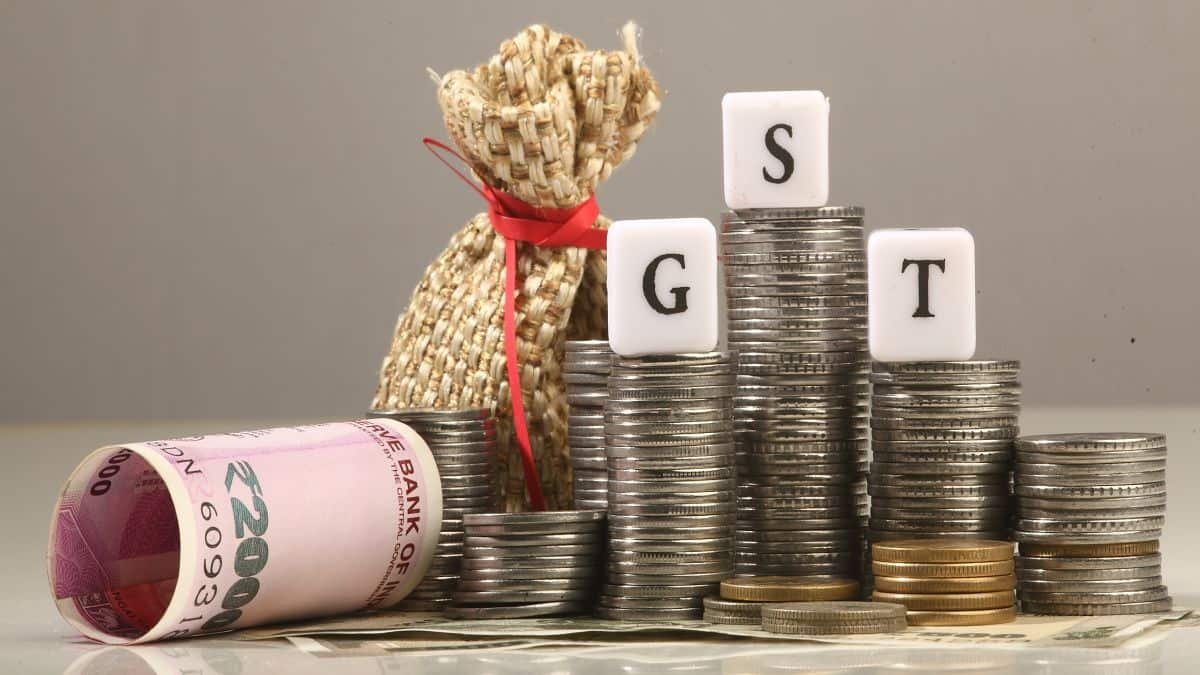
India’s GST collections hit a record Rs 2.43 trillion in April, rising 8.7% year-on-year, reflecting strong year-end economic activity and resilient consumption trends despite recent tax cuts
India’s goods and services tax (GST) collections rose to a record Rs 2.43 trillion in April, marking an 8.7 per cent increase from a year earlier, according to official data released by the Finance Ministry on Friday.
The April mop-up, which typically marks the strongest month of the fiscal year, reflects robust year-end economic activity in March, including inventory clearances and book closures by companies.
Gross GST revenue stood at Rs 2.43 trillion for April, compared with Rs 2.37 trillion in the same month last year before adjustments. However, the comparison is not strictly like-for-like due to tax rate cuts implemented in September 2025 to support demand.
After adjusting for refunds, net GST collections for April came in at Rs 2.11 trillion, marginally higher than Rs 2.09 trillion a year ago. Notably, last year’s figures included compensation cess, which has since been phased out. Excluding this, the underlying growth in gross collections aligns with the reported 8.7 per cent annual increase.
The data underscores the continued resilience in consumption trends, even as policymakers navigate external headwinds.
GST collections tend to peak in April each year, as revenues capture the surge in transactions recorded in March — a period when businesses typically accelerate sales and clear inventories to close their financial books.
For FY27, the Centre has set a GST revenue target of Rs 10.2 trillion, slightly lower than the estimated Rs 10.46 trillion collected in FY26, indicating a cautious stance amid evolving macroeconomic conditions.
The April data also comes against the backdrop of rising global uncertainties, particularly following the outbreak of conflict in West Asia earlier this year. Since GST is a consumption-linked tax, any sustained increase in energy prices could weigh on demand and, in turn, tax collections.
In response to the energy shock, the government in April
cut excise duties on petrol and diesel and imposed windfall taxes on exports of diesel and aviation turbine fuel to shield oil marketing companies without immediately passing on higher costs to consumers.
First Published:
May 01, 2026, 12:29 IST
End of Article