

The boycotts already announced by four countries over Israel’s participation in the 2026 Eurovision Song Contest were casting a shadow Friday over the glitzy annual TV extravaganza and its spirit of unity.
Growing criticism over Israel’s entry in the 2026 Eurovision Song Contest has prompted four European nations to pull out, casting an early cloud over next year’s showpiece event.
During a meeting at the European Broadcasting Union’s headquarters in Geneva on Thursday, member broadcasters agreed that Israel would remain in the competition, concluding that a formal vote on the matter was unnecessary. Next year’s 70th edition will take place in Vienna.
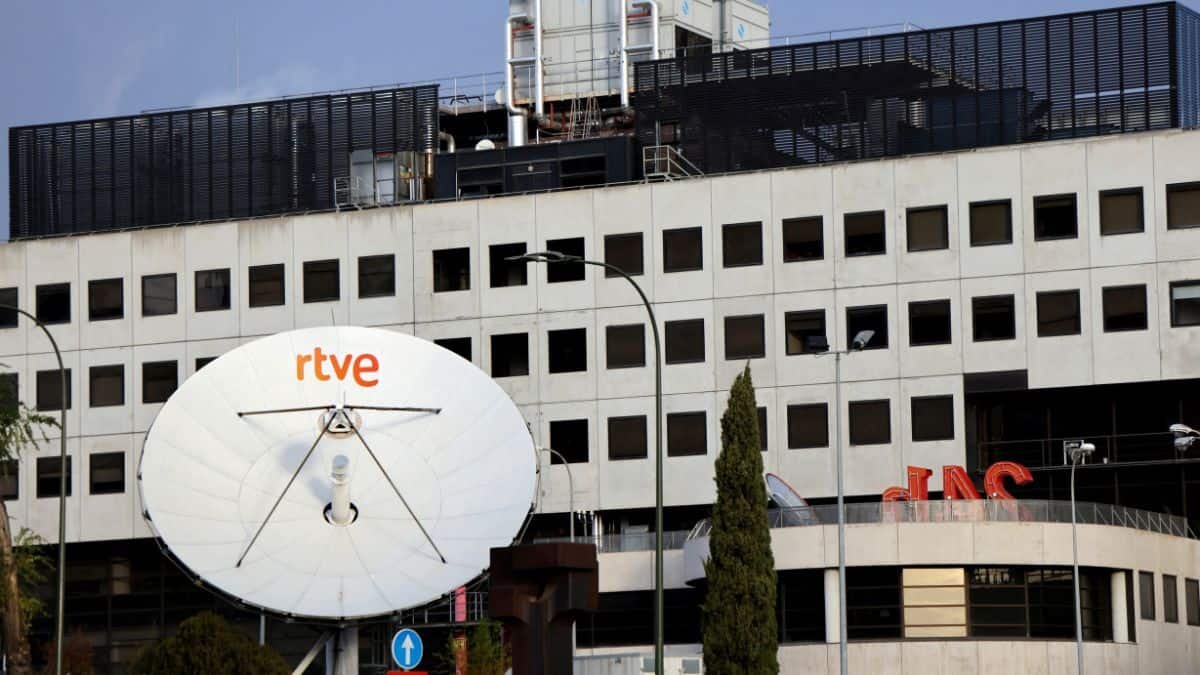
The decision triggered swift reactions. Public broadcasters in Spain, Ireland, the Netherlands and Slovenia announced they would not take part, making them the first to boycott the contest over Israel’s inclusion. Iceland has said it is still assessing whether it will join the walkout.
The backlash has grown amid broad disapproval of the ongoing Gaza conflict, with campaigners arguing that Israel should be barred. Questions have also been raised about whether the televoting process has been manipulated to benefit Israel.
Israel finished second in this year’s contest in Basel, driven largely by strong support in the public vote.
Spain’s broadcaster RTVE accused Israel of using Eurovision for political messaging, arguing that this undermines the contest’s claim to be a neutral cultural platform.
“What happened at the EBU assembly confirms that Eurovision is not a song contest but a festival dominated by geopolitical interests and fractured by internal divisions,” RTVE president Jose Pablo Lopez said on X.
Participation drop
Some 37 countries took part in the 2025 edition, won by Austrian operatic singer JJ with “Wasted Love”. Eurovision director Martin Green said he expected the number of participating countries would drop in Vienna.
“We estimate there’ll be about 35 broadcasters participating,” he told Eurovision News Exchange.
He said “about five” countries “very passionately” felt Israel should not be allowed to participate. “I very much hope that those few broadcasters who feel they can’t be there next year will return back to us in 2027,” he said.
EBU members had a “full, frank, honest, and quite moving debate”, and “what they really came together on is a belief that Eurovision Song Contest shouldn’t be used as a political theatre”, he said.
“It must retain some sense of neutrality.”
Roland Weissmann, the director of Austrian host broadcaster ORF, told reporters that at least three new broadcasters were looking to take part in 2026.
Irish Prime Minister Micheal Martin said he fully understood broadcaster RTE’s boycott decision, calling it “an act of solidarity with those journalists who were killed” in the Gaza Strip.
“Without those journalists, the world would not have known to the degree that it knows the horrors of what transpired in Gaza,” he said.
Belgian broadcaster RTBF decided it was staying in Eurovision, but its chief Jean-Paul Philippot said their participation was “accompanied by a clear stance to denounce obstacles to freedom of information”.
Belgium’s Media Minister Jacqueline Galant said: “Let’s make sure we keep culture as a bridge between peoples, especially when politicians refuse to lead the way.”
‘Non-political celebration’
Spain may have withdrawn but the competition’s other big nations were keen to confirm their backing.
British Prime Minister Keir Starmer’s office stressed the event was a “non-political celebration of music and culture”.
French Foreign Minister Jean-Noel Barrot said he was pleased Eurovision “did not yield to pressure”.
Germany’s Foreign Minister Johann Wadephul said culture should be unifying, “and that is why this forum should be used for that purpose and not be a venue for political differences”.
In Tel Aviv, local resident Yovel Naim said she was not surprised by the furore, as it was “a show that is supposedly about music, but in the end is very political”.
“Actually I was pleasantly surprised that they chose not to kick us out,” the 27-year-old told AFP.
With inputs from agencies
End of Article