

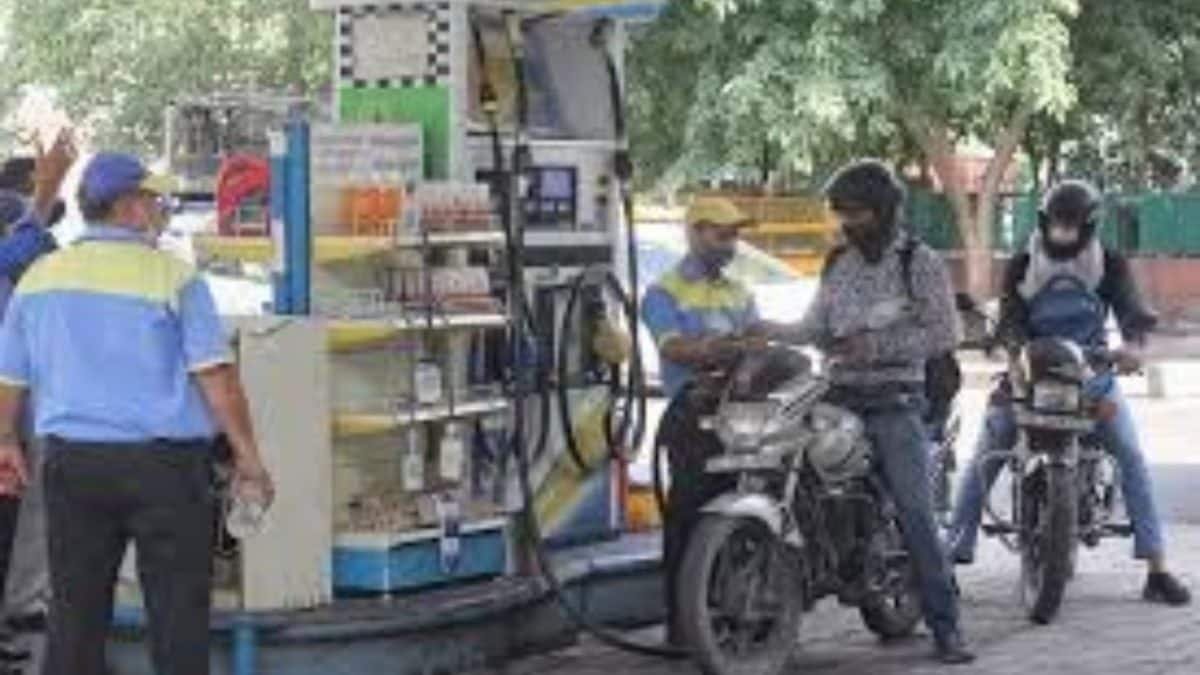
The Ministry of Petroleum and Natural Gas has issued a comprehensive assurance that India’s fuel and LPG supplies remain entirely secure despite global market fluctuations.
The Ministry of Petroleum and Natural Gas has issued a firm reassurance to the public regarding the stability of India’s energy sector. Amidst a wave of social media rumours suggesting an impending fuel crisis, official data confirms that the supply of petrol, diesel, and LPG remains entirely secure.
Government representatives have clarified that the nation is currently an “oasis of energy security” despite volatile global conditions.
Authorities are now taking a stand against what they describe as a “deliberately mischievous, coordinated campaign of misinformation” intended to incite panic. While some other countries have resorted to rationing or emergency measures, India remains in a position of surplus and structural strength.
National petrol and diesel availability
India currently stands as the fourth largest refiner in the world and the fifth largest exporter of petroleum products. Because the country sends refined fuel to over 150 nations, its domestic requirements are naturally protected.
Every one of the more than 100,000 retail outlets across the country is fully operational and dispensing fuel without any restrictions. To support pump owners, oil companies have extended credit periods to ensure working capital issues do not hinder local availability.
The Ministry has noted that “India DOES NOT FEEL THE NEED FOR ANY SUCH MEASURES” like the rationing or station closures seen elsewhere in the world. Any queues observed recently were the result of temporary panic buying triggered by false videos rather than an actual lack of product.
Crude oil supply and strategic reserves
Despite tensions in the Strait of Hormuz, India has successfully diversified its sourcing. The country now receives crude from 41 different global suppliers, more than compensating for any regional disruptions.
Refineries are currently operating at over 100% capacity, and supplies for the next 60 days are already firmly secured. Furthermore, the Ministry has debunked claims that the nation only holds six days of stock.
In reality, India possesses a total reserve capacity of 74 days, with current actual stocks covering roughly 60 days. This includes crude, finished products, and dedicated underground storage. Consequently, “any representation that India’s reserves are depleted or insufficient should be dismissed with the disdain it deserves.”
Stability in the LPG sector
The domestic production of LPG has been scaled up by 40% recently, reaching 50 TMT daily. This significant boost means that India now produces the vast majority of its own requirement, drastically reducing the need for imports.
Beyond domestic output, over 800 TMT of LPG is currently en route from international partners including Russia, Australia, and the United States. These cargoes are arriving at 22 different import terminals across the country.
While panic ordering briefly caused demand to spike to 89 lakh cylinders a day, it has since stabilised back to the normal 50 lakh. There is a firm one month supply arranged, with further procurement ongoing to ensure no household goes without.
Transition to piped natural gas
The government is also clarifying that the ongoing promotion of Piped Natural Gas is a long term strategic shift rather than a reaction to any LPG shortage. PNG is being prioritised because it is safer, cheaper, and more convenient for modern households.
With domestic natural gas production meeting nearly half of the total daily requirement, India is far less reliant on foreign markets for gas than for other fuels.
The expansion of city gas distribution from 57 areas in 2014 to over 300 today is a planned evolution. The Ministry maintains that “LPG supply is secure” and that the move toward PNG simply reflects a transition to a more affordable and efficient energy future.
Legal warnings against misinformation
The authorities have warned that spreading false information regarding essential commodities is a serious legal offence. Monitoring of social media has revealed the use of fabricated claims and global footage of rationing in other countries being falsely attributed to India.
The Ministry has made it clear that “the government will not hesitate to act against those found to be deliberately creating panic.” Citizens are encouraged to ignore viral videos and rely solely on official communications to avoid unnecessary anxiety.
End of Article