

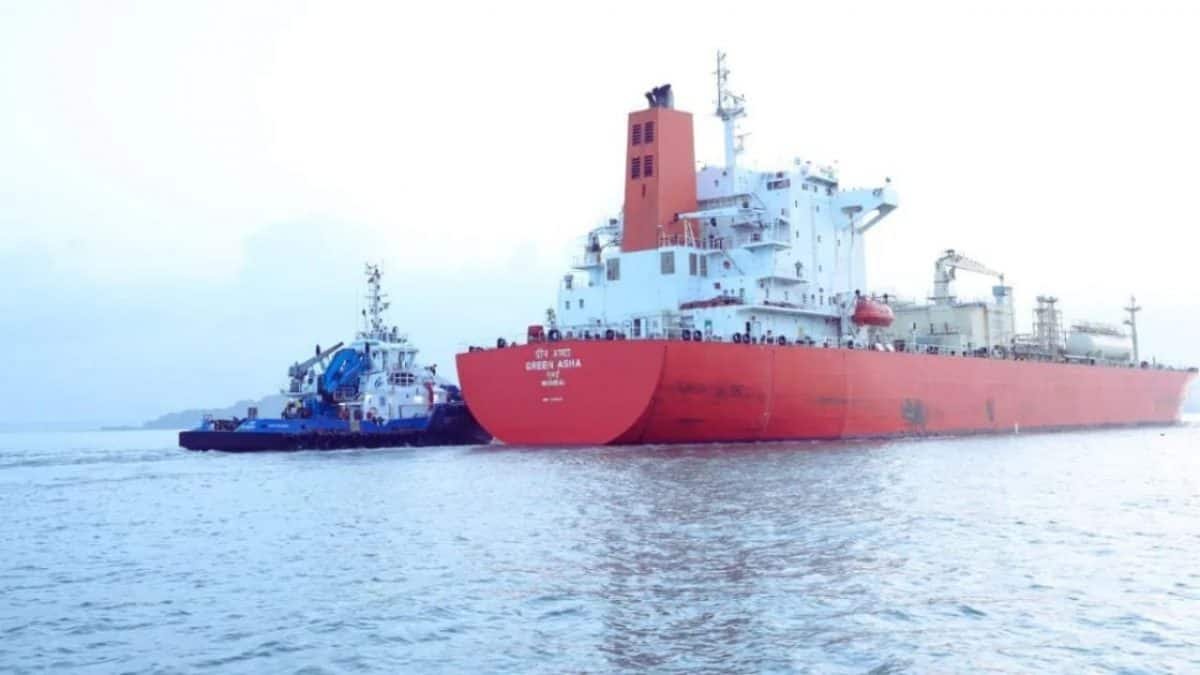
The India-flagged LPG tanker Jag Vikram has become the first Indian vessel to traverse the Strait of Hormuz since the commencement of a temporary two-week ceasefire between the United States and Iran.
The maritime landscape in the Middle East has seen its first major movement of Indian energy interests following the declaration of a temporary truce between Washington and Tehran. The Indian flagged tanker Jag Vikram, a vessel dedicated to the transport of liquefied petroleum gas, successfully navigated the Strait of Hormuz during the transition from Friday night into Saturday morning.
This passage represents a critical milestone for New Delhi, as it is the first domestic vessel to traverse the narrow and strategic waterway since a two week ceasefire was established to alleviate regional tensions and reopen vital shipping lanes.
Maritime movement and vessel specifics
Tracking information confirmed that the Jag Vikram had moved clear of the Strait by Saturday afternoon and was positioned in the Gulf of Oman, continuing its journey eastwards. The vessel is operated by the Great Eastern Shipping Company, a prominent firm based in Mumbai.
As a mid sized gas carrier with a deadweight capacity exceeding 26,000 tonnes, experts within the trading sector suggest the ship is likely transporting a cargo of approximately 20,000 tonnes of liquefied petroleum gas.
This successful transit marks the ninth instance of an Indian vessel exiting the Persian Gulf since the start of March. However, the backlog remains significant, with roughly 15 other India flagged ships still located within the region awaiting their turn to pass through the bottleneck.
At the height of the recent hostilities in West Asia, nearly 30 Indian vessels were caught in the vicinity of the Strait, with the vast majority trapped on the western side of the channel. While ten have now reached safer waters, many foreign vessels carrying essential cargo destined for Indian ports remain immobilised alongside hundreds of other international tankers and gas carriers.
Energy security and domestic impact
The reopening of this corridor is of paramount importance to India, which ranks as the third largest consumer of energy globally. The nation relies heavily on external sources, importing nearly 88 per cent of its crude oil and the majority of its gas requirements.
The Strait of Hormuz acts as the primary artery for these supplies, with up to 90 per cent of liquefied petroleum gas shipments originating from Gulf nations. The recent closure of this route necessitated drastic measures within the Indian domestic market, including the curtailment of fuel supplies to commercial entities like hotels and restaurants.
As the diplomatic thaw allows for the resumption of shipping, the Indian government has begun to restore these volumes. Commercial users have seen a return to 70 per cent of their typical supply levels. Similarly, the industrial sector, particularly fertiliser production, has seen a gradual return to normalcy.
After initial cuts intended to prioritise fuel for transport and household cooking, urea plants are now operating at roughly 80 per cent of their average consumption levels, with total sector allocations rising to near normal figures this week.
Infrastructure shifts and prioritisation
In response to the volatility of the past weeks, city gas distributors have received new directives to alter how they manage demand. There is a concerted effort to move commercial establishments away from a reliance on liquefied petroleum gas by fast tracking connections for piped natural gas. T
his strategy aims to create a more resilient energy framework for businesses like canteens and hotels, ensuring that future disruptions in the Persian Gulf do not result in a total cessation of essential services. While the current ceasefire is conditional and temporary, the successful voyage of the Jag Vikram offers a reprieve for a nation deeply dependent on the stability of the Gulf.
First Published:
April 11, 2026, 18:46 IST
End of Article