

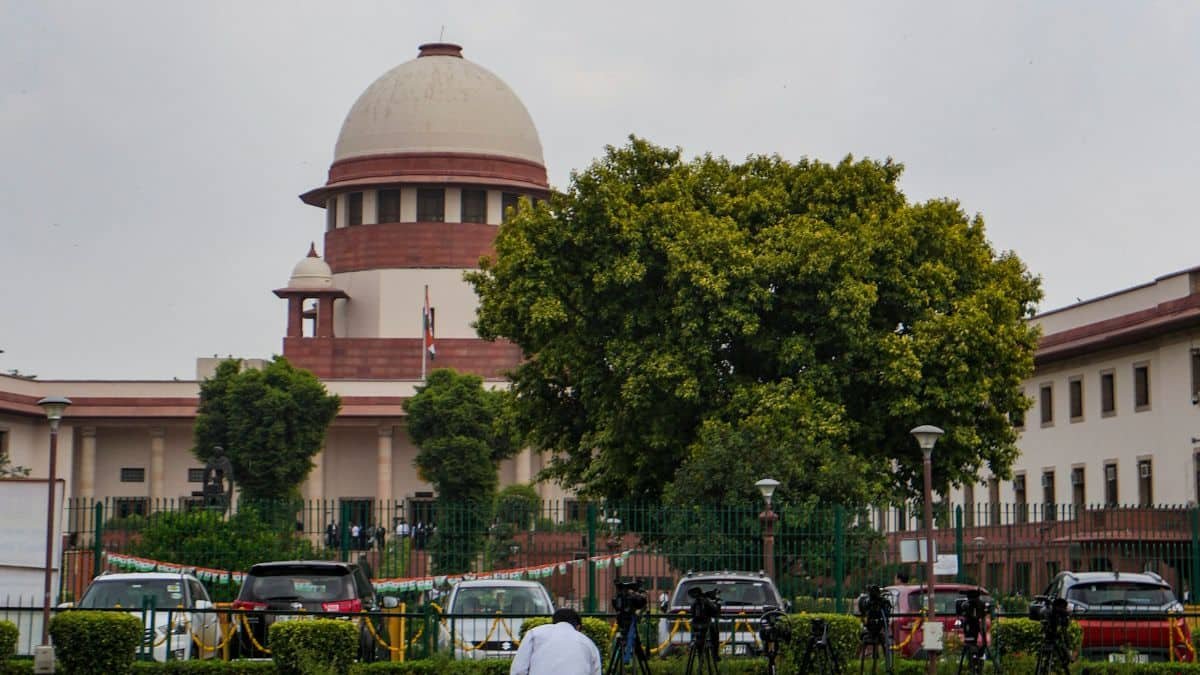
In a significant ruling concerning the Vantara animal welfare initiative, the Supreme Court has dismissed a petition alleging irregularities in the import of animals from foreign countries
In a significant ruling concerning the Vantara animal welfare initiative, the Supreme Court has dismissed a petition alleging irregularities in the import of animals from foreign countries.
In its March 9 order, the top court rejected claims by a foundation that multiple wildlife transfers violated international trade norms under the Convention on International Trade in Endangered Species of Wild Fauna and Flora.
The bench found no merit in the allegations and upheld the clean chit earlier granted to Vantara by a court-appointed Special Investigation Team (SIT). It also reiterated that the SIT’s findings — already endorsed by a coordinate bench — were final.
The court noted that both the SIT and the CITES Secretariat had independently examined the matter and found no violations of domestic or international laws. No irregularities were detected in Vantara’s import documentation or procedures, it said.
Observing that due process had been followed, the court further stated that imports carried out with proper authorisations cannot later be deemed unlawful based on subsequent objections.
“…once an import has been effected under valid permission, the same cannot subsequently be treated as prohibited…merely because the objections were raised thereafter,” a bench of justices Prashant Kumar Mishra and NV Anjaria said.
“Disturbing the settled environment, custody and air of living animals, including rescued animals after lawful import, may itself result in cruelty,” the court observed.
Taking note of these findings, the bench held that the petition was devoid of merit.
The plea had sought disclosure of documents related to import licences and approvals, the setting up of an independent oversight committee, and action against the entities involved under the Wild Life (Protection) Act, 1972.
However, the court observed that the issues raised had already been examined and settled in earlier proceedings.
Accordingly, the writ petition was dismissed.
End of Article