

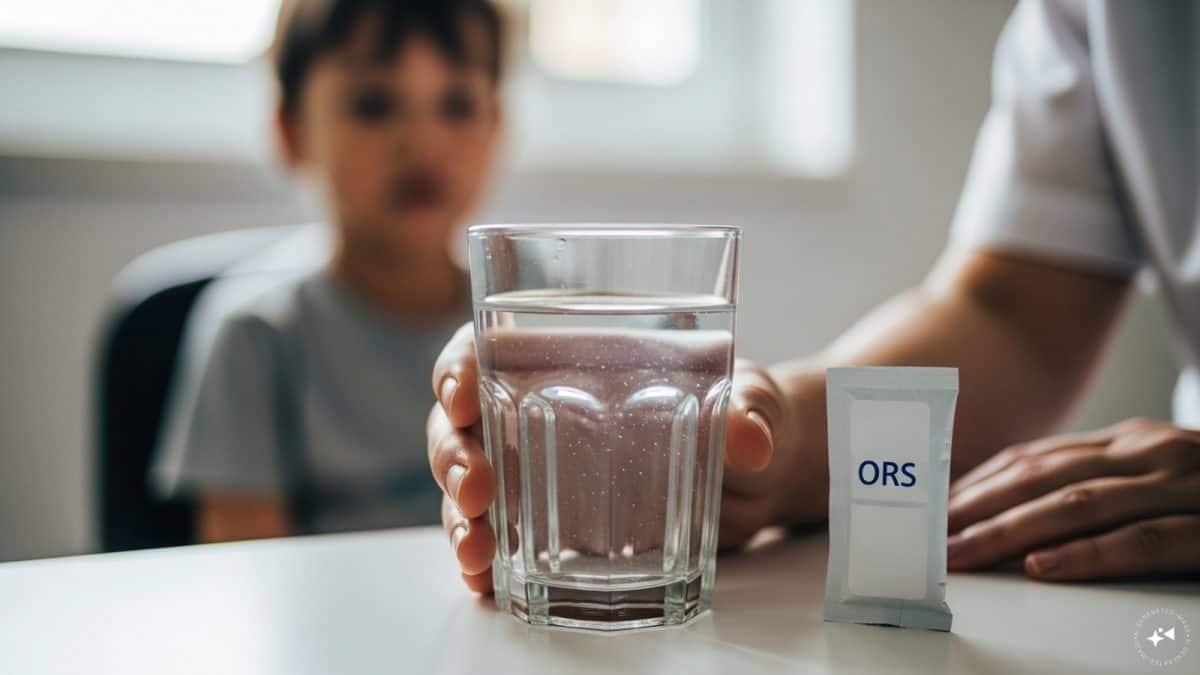
FSSAI cracks down on mislabelled ORS drinks in India. Learn what genuine Oral Rehydration Solution is, why it matters and how to stay safe.
Oral Rehydration Solution (ORS) is a simple yet lifesaving treatment for dehydration. Developed by World Health Organisation (WHO) and UNICEF, it is used worldwide to treat fluid loss from diarrhoea, severe vomiting or heat-related illness.
But recent regulatory action in India has placed a spotlight on how the term “ORS” is being misused and why consumers must pay attention.
**Read Also: FSSAI orders nationwide removal of fruit juices and electrolyte drinks falsely sold as ‘ORS’**
What ORS truly is
An authentic ORS is a precisely formulated mixture of clean water, glucose and specific electrolytes — primarily sodium and potassium, designed to optimise fluid and salt absorption in the body’s intestines.
WHO estimates that ORS has prevented millions of deaths from diarrhoeal disease in children globally.
In short, it is a medically regulated “drug-equivalent” solution, not just another sports or hydration drink.
What ORS is not
Despite this, many fruit-based beverages, ready-to-serve drinks, electrolyte drinks and energy drinks in India have been branded or labelled as “ORS” despite not meeting the required composition. The Food Safety and Standards Authority of India (FSSAI) says that the term “ORS” is being misused in product names, labels or trademarks, misleading consumers into thinking they are buying a medically effective solution when they are not.
On 20 November 2025, the FSSAI ordered the immediate removal of such beverages from retail and e-commerce platforms, citing the Food Safety and Standards Act, 2006.
Why the distinction matters
Using a drink labelled “ORS” that does not confirm to the true formulation can pose health risks, particularly in children, the elderly or those with underlying conditions. Genuine ORS is calibrated for rehydration; sugary drinks or sports drinks do not substitute effectively and may even worsen dehydration or electrolyte imbalance.
For example, when children with acute diarrhoea receive inadequate rehydration, the absence of a medically appropriate ORS can increase the risk of complications.
What regulators are doing
FSSAI’s directive explains that only WHO-recommended ORS products, classified as “drugs” under the Drugs & Cosmetics Act, 1940, fall outside FSSAI’s purview as foods; all other “ORS-tagged” beverages must be removed.
State food safety officers have been instructed to conduct inspections across e-commerce platforms and retail stores, identify products misusing the term “ORS”, remove them immediately and report actions taken.
Consumer vigilance: What you should do
Check whether a product labelled “ORS” is truly a medically approved formulation. If it is simply a fruit drink or electrolyte beverage calling itself “ORS”, it may not be genuine.
Look for official ORS packets from trusted brands or consult pharmacists, particularly for children under five and patients with diarrhoea.
Avoid substituting sports drinks, soda or fruit juices when treating dehydration caused by illness. Water and a medically approved ORS are safer.
Report mis-labelled products to local food safety authorities.
Why this matters now
While ORS remains one of the most effective tools in global health for preventing dehydration-related deaths, its proper use depends on accurate formulation and appropriate conditions. The recent crackdown by FSSAI in India highlights that not every “ORS-labelled” drink is equal. Consumers must distinguish between genuine therapeutic solutions and misleading products that may carry the name but not the substance.
End of Article