

India’s private sector growth accelerated in April, driven by a manufacturing rebound and stronger demand, while hiring hit a 10-month high despite persistent inflation pressures
India’s private sector activity gathered pace at the start of the new financial year, as a sharp rebound in manufacturing helped offset global uncertainties and kept overall economic momentum intact, a survey showed on Thursday.
The HSBC flash India Composite Purchasing Managers’ Index (PMI), compiled by S&P Global, rose to 58.3 in April from 57 in March, signalling a strong expansion in output and extending a nearly five-year run above the 50-mark that separates growth from contraction.
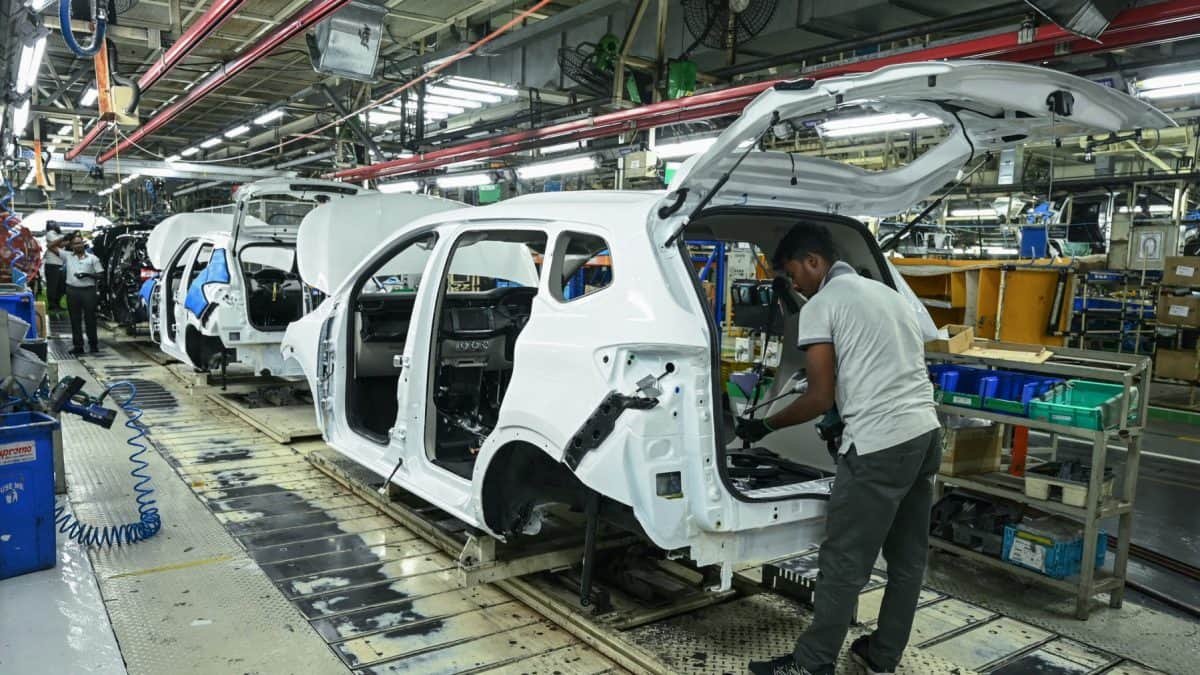
The upturn was led by manufacturing, which bounced back after a softer reading in March amid disruptions linked to the West Asia conflict. The manufacturing PMI climbed to 55.9 from 53.9, while the output index jumped to 59.1, pointing to stronger production and order flows.
“Private sector activity accelerated after easing in March amid disruptions linked to the Middle East conflict. Manufacturing led the upturn, with faster growth in output and new orders,” said Pranjul Bhandari, Chief India Economist at HSBC.
She added that firms were increasingly building buffer stocks to navigate supply-side uncertainties, with both finished goods and input inventories rising alongside higher purchasing activity. However, elevated input cost pressures persisted, prompting companies to pass on part of the increase through higher selling prices.
Services activity also improved, albeit at a slower pace. The services business activity index edged up to 57.9 from 57.5, indicating steady but less pronounced growth compared to the factory sector.
The data suggests domestic demand remains resilient despite global headwinds. Firms reported stronger inflows of new business, with overall new orders rising at a faster and historically robust pace, supported by capacity expansion, improved demand conditions and continued investment in technology.
However, the external picture remained uneven. Export performance diverged across sectors, with manufacturers posting the fastest growth in overseas orders in nine months, while services firms recorded the weakest increase in over a year. Survey respondents linked the slowdown in services exports to disruptions caused by the ongoing conflict in West Asia.
At the aggregate level, export growth softened compared with March, highlighting the fragility of external demand.
Inflationary pressures, though easing slightly from the previous month, remained elevated. Input costs rose at the second-steepest pace in nearly three years, driven by higher prices of fuel, gas, oil and a range of raw materials, including metals, chemicals and transportation.
Companies continued to pass on part of these costs to customers through higher selling prices, although output price increases lagged input costs, suggesting some pressure on margins.
The survey also pointed to rising caution among firms, with many building buffer stocks of inputs and finished goods to shield against supply disruptions and price volatility.
Employment trends, however, offered a bright spot. Hiring across the private sector accelerated to a ten-month high, driven by expanding business needs and optimism around future demand.
Looking ahead, companies remained broadly upbeat about output prospects over the next 12 months, supported by marketing efforts, rising enquiries and pending project approvals, although overall confidence eased slightly from March.
The rebound comes even as global risks persist. The International Monetary Fund has projected
India’s economy to grow at 6.5 per cent this year, while warning that inflationary pressures and geopolitical tensions could weigh on the outlook.
First Published:
April 23, 2026, 11:41 IST
End of Article