

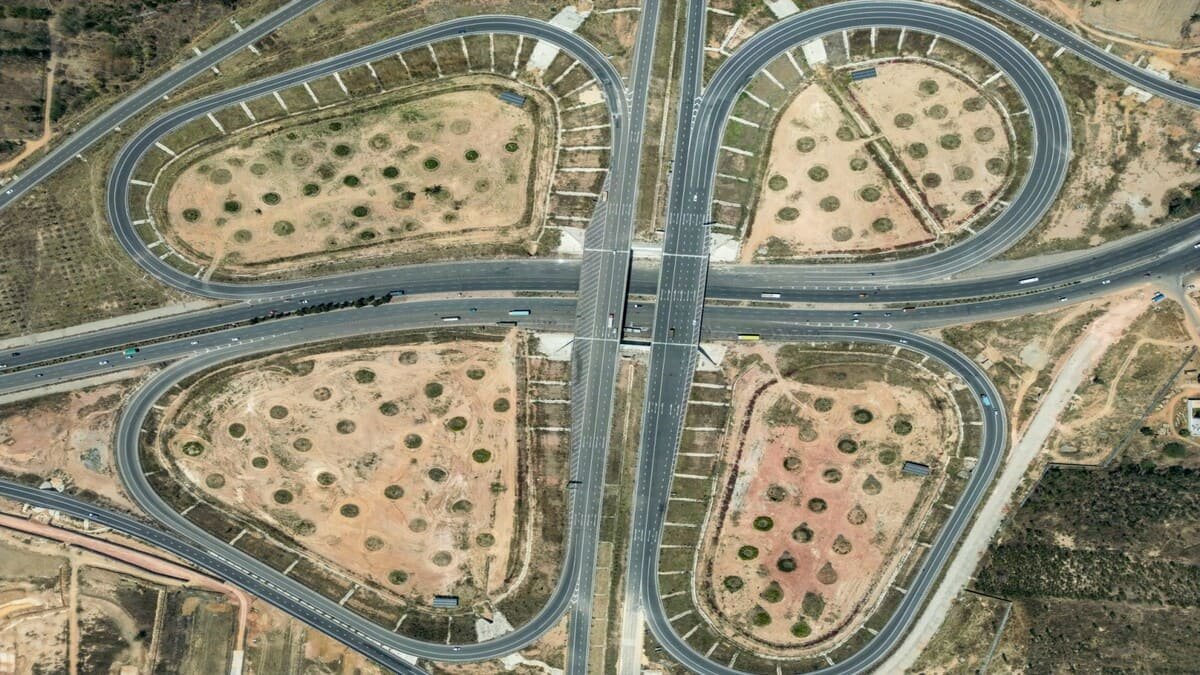
India inaugurates the Rs 362 billion Ganga Expressway in Uttar Pradesh, a 600 km corridor that cuts travel time between Meerut and Prayagraj to six hours
Prime Minister Narendra Modi on Wednesday inaugurated one of India’s longest expressways, a nearly 600-km corridor connecting 12 districts across Uttar Pradesh, in a major boost to the state’s connectivity and economic prospects.
The Ganga Expressway, built at a cost of about Rs 362 billion by Adani Enterprises and IRB Infrastructure Developers, links Meerut in western Uttar Pradesh to Prayagraj in the east. The six-lane highway, expandable to eight lanes, is designed to enable faster and more efficient travel across the state.
For commuters and businesses alike, the biggest gain is reduced travel time. The journey between Meerut and Prayagraj will now take
around six hours, compared with 10–12 hours earlier, improving both passenger movement and goods transport.
Industry leaders say the project could have a wider economic impact beyond just faster travel.
Santosh Agarwal, CFO of Alpha Corp Development, called the expressway “a significant milestone in Uttar Pradesh’s infrastructure evolution,” adding that the corridor will “unlock development across multiple emerging micro-markets” and help drive real estate growth along its route.
Echoing this, Manish Mathur, CEO-Cranes at Action Construction Equipment, said the project reflects “the ambition of India’s next-generation road infrastructure,” highlighting that features such as access-controlled design and seamless tolling will “enhance corridor efficiency” and make long-distance travel more predictable.
The expressway passes through 12 districts and is expected to act as a backbone for new industrial and logistics hubs. Named after the Ganga river, it is also seen as a catalyst for regional development, particularly in smaller cities.
Real estate developers are already seeing early signs of impact. Mohit Goel, managing director of Omaxe, said improved connectivity and government investment in temple town development could lead to “20–30 per cent appreciation over the next 3–5 years” in Prayagraj.
Similarly, Sahil Agarwal, CEO of Nimbus Group, noted that better connectivity could drive “30–40 per cent appreciation over the next few years” in areas such as Meerut and Greater Noida, especially as links improve with the upcoming Noida International Airport.
Experts also point to changing homebuyer preferences. Harvinder Singh Sikka, chairman of Sikka Group, said improved infrastructure will allow buyers to choose “better and more affordable homes even at slightly distant locations,” boosting demand in affordable and mid-income housing segments.
Kushagr Ansal of Ansal Housing added that tier-II cities like Meerut are likely to see “more structured real estate activity,” with prices expected to rise by 25–35 per cent over the medium term as development picks up.
The project is part of a broader infrastructure push by the Indian government after the COVID-19 pandemic. In the latest budget, New Delhi allocated a record Rs 12.2 trillion for infrastructure spending, focusing on roads, railways and logistics to support economic growth.
First Published:
April 29, 2026, 17:04 IST
End of Article