

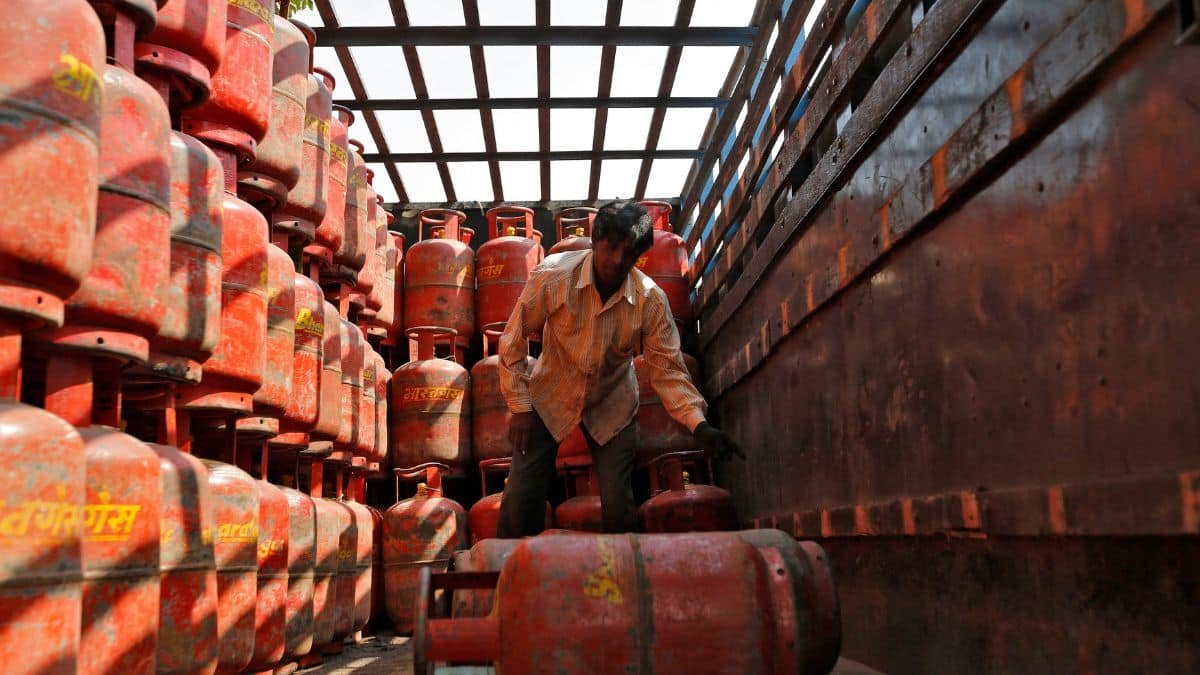
India has restricted LPG cylinder access for piped gas users and cut supplies to some industries to protect household cooking fuel availability as disruptions in the Strait of Hormuz strain energy imports from West Asia
India has moved to safeguard household cooking gas supplies amid disruptions in the Strait of Hormuz, restricting liquefied petroleum gas (LPG) access for piped natural gas users and curbing supplies to some industries as the US-Israeli conflict with Iran strains fuel imports from West Asia.
According to a report by Reuters, households already connected to piped natural gas (PNG) networks will no longer be allowed to purchase LPG cylinders with immediate effect, as New Delhi seeks to conserve supplies and ensure uninterrupted availability for households dependent solely on cooking gas cylinders.
The move comes as shipping disruptions through the Strait of Hormuz — one of the world’s most important energy transit routes — tighten supplies across global energy markets following the escalation of the conflict involving Iran.
India consumed 33.15 million metric tonnes of LPG in 2025, with imports accounting for about 60 per cent of domestic demand. Nearly 90 per cent of those imports came from West Asia, leaving the country vulnerable to supply disruptions in the region.
According to the report, the latest restrictions are aimed at prioritising household consumption rather than imposing broad rationing measures, with industrial users facing the first round of supply curbs.
The government has also stepped up efforts to encourage the adoption of piped natural gas, particularly in urban areas where city gas infrastructure has expanded rapidly over the past few years. Policymakers view PNG as a more stable long-term alternative that can reduce dependence on imported LPG.
Even as the Hormuz disruption hit traditional supply chains, Indian refiners moved quickly to diversify crude sourcing to prevent major fuel shortages.
According to preliminary data from energy analytics firm Kpler cited by Reuters, refiners increased imports from Venezuela, Brazil, Angola and Nigeria during April and May, while continuing to buy discounted Russian crude.
India, the world’s third-largest oil importer and consumer, had traditionally relied heavily on nearby West Asian suppliers before the conflict intensified earlier this year.
First Published:
May 26, 2026, 06:47 IST
End of Article