

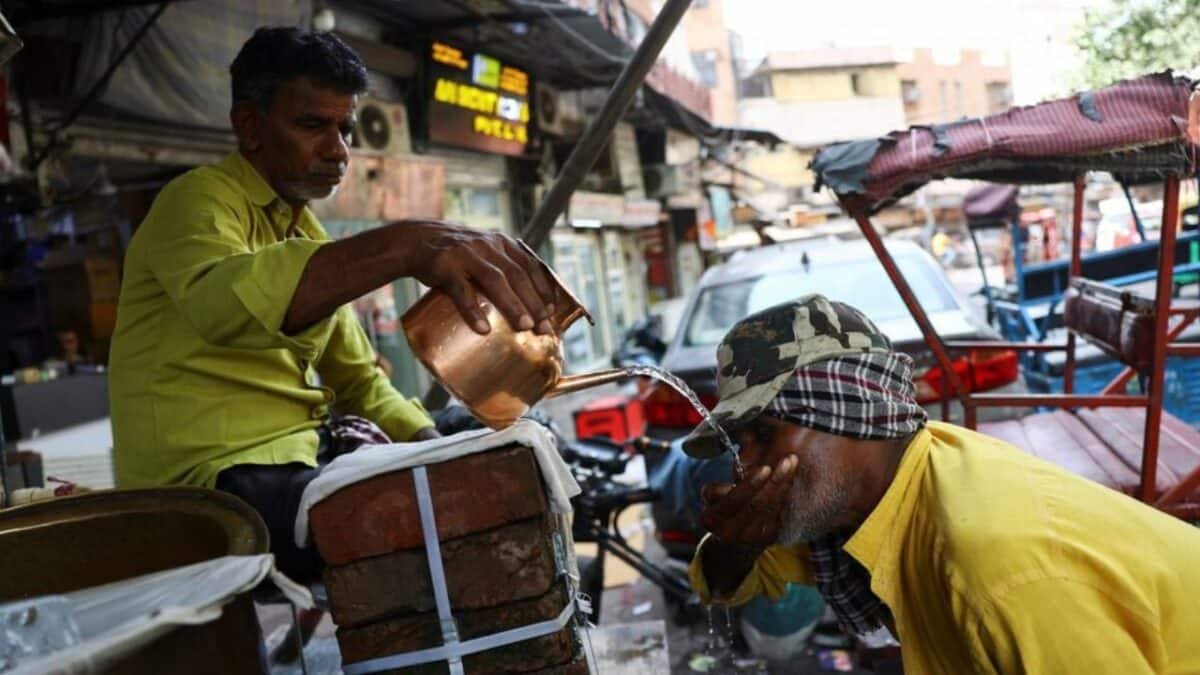
A brutal heatwave sweeping across India has triggered hundreds of medical emergencies, with Andhra Pradesh alone recording 325 suspected heatstroke cases.
A brutal heatwave is sweeping through large swathes of India, triggering hundreds of medical emergencies and putting immense pressure on healthcare infrastructure. From the southern peninsula to the northern plains, extreme summer temperatures have led to a sharp rise in hospital admissions, severe water scarcities, and urgent public safety warnings from regional governments
Heatstroke cases rise in Andhra Pradesh
The health department in the southern state of Andhra Pradesh has confirmed a significant spike in heat related illnesses over the last few months. Officials reported 325 suspected cases of heatstroke between 1 March and 19 May. The situation has deteriorated rapidly in recent weeks, with approximately one third of those cases registered since the beginning of May.
Medical experts warn that heatstroke is a critical emergency that occurs when the human body overheats. Without immediate medical treatment, the condition can cause confusion, dizziness, nausea, seizures, loss of consciousness, and complete organ failure.
Authorities issue urgent public health advice
In response to the rising casualties, state authorities have issued strict advisories to residents, urging them to restrict their movements during the hottest parts of the day. Members of the public have been told to avoid going outdoors between 11 a.m. and 4 p.m. because “heatwaves and extreme temperatures are at their peak” during these hours.
The crisis is expanding globally across the subcontinent. India’s weather office announced on Friday that the national capital, Delhi, alongside vast sectors of northern India, is forecast to experience “heatwave to severe heatwave conditions” between 22 May and 27 May. Local media have already reported that two heatstroke patients are in a critical condition at a state run hospital in Delhi.
Water shortages and rising casualties nationwide
The impact of the extreme weather is visible across multiple states. Hospitals in several regions are reporting long queues of patients suffering from severe diarrhoea and dehydration. The intense heat has also dried up local water sources, triggering acute water shortages in the western state of Gujarat. This week, the highest maximum temperature in the country was recorded in the town of Banda, located in the northern state of Uttar Pradesh, where the mercury reached a staggering 48 degrees Celsius, or 118 degrees Fahrenheit.
According to official criteria, the India Meteorological Department declares a heatwave when maximum temperatures reach at least 40 degrees Celsius in the plains or 30 degrees Celsius in hilly areas, whilst remaining 4.5 to 6.4 degrees Celsius above the seasonal average. A heatwave is also declared automatically if the temperature touches 45 degrees Celsius.
Recent data shows a worrying upward trend in extreme climate events across the country. India recorded more than 7,000 suspected heatstroke cases and 14 deaths between March and June in 2023. However, during the exact same period in 2024, the numbers escalated dramatically to 40,000 suspected cases and 110 confirmed fatalities.
First Published:
May 22, 2026, 19:39 IST
End of Article