

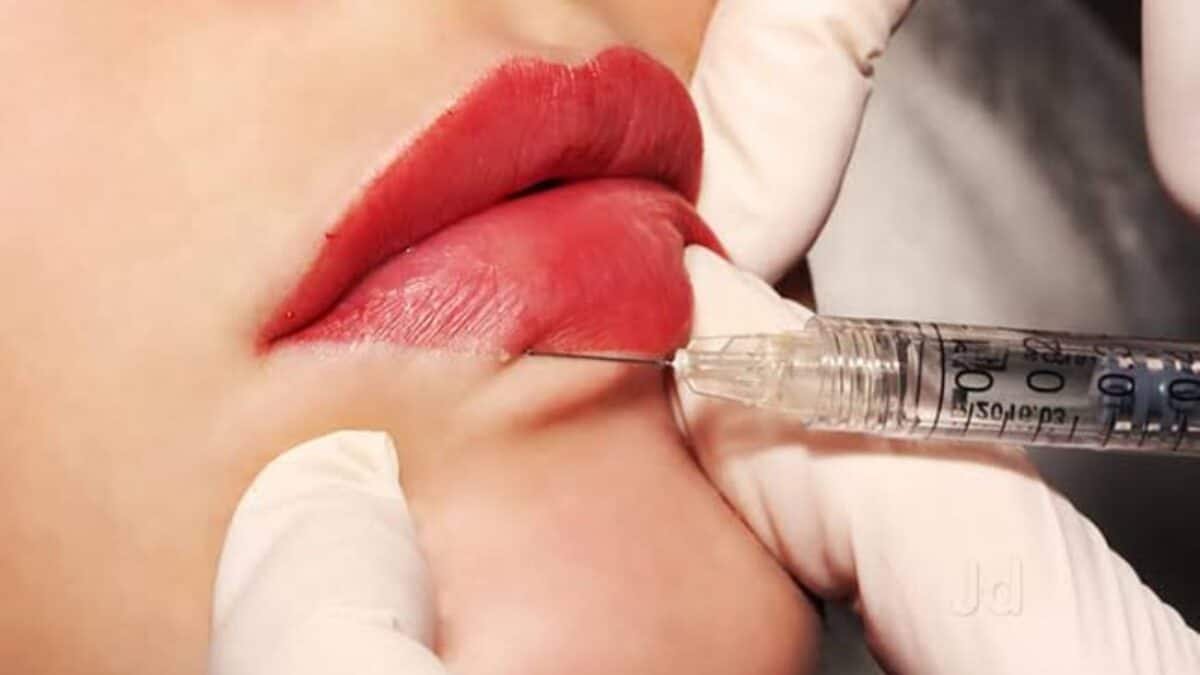
India’s apex drug regulator has clarified that cosmetic products cannot be administered through injections, warning salons and aesthetic clinics against misleading claims and illegal procedures
India’s apex drug regulator, the Central Drugs Standard Control Organisation (CDSCO), has issued a strict public advisory clarifying that no cosmetic product can legally be administered through injections or used for treatment purposes under Indian law.
The notice, signed by Drugs Controller General of India (DCGI) Dr Rajeev Singh Raghuvanshi, comes amid growing concern over the booming aesthetic industry, where products such as glutathione skin-brightening drips, anti-ageing injectables and other cosmetic enhancement procedures are often marketed as harmless beauty treatments.
What the law says
The CDSCO drew a clear legal distinction under the Cosmetics Rules, 2020 and the Drugs and Cosmetics Act, 1940, which define cosmetics as products intended to be rubbed, poured, sprinkled, sprayed, introduced into, or otherwise externally applied to the human body for cleansing, beautifying, promoting attractiveness or altering appearance.
The regulator stressed that products supplied as injectable preparations do not fall under this definition.
The notice stated that no cosmetic product is permitted to be used as an injection by consumers, professionals or aesthetic clinics, making it clear that injectables cannot be sold, stocked or administered under a cosmetic licence.
The Central Drugs Standard Control Organisation (CDSCO) has issued a public notice clarifying that injectable preparations do not fall under the definition of cosmetics and that cosmetics cannot be used for treatment purposes.
The notice also warns against misleading claims, use… pic.twitter.com/RYGOEJPmvu
— Press Trust of India (@PTI_News) May 21, 2026
Warning against misleading claims
The advisory also targets the growing use of misleading labels and aggressive marketing by beauty clinics and salons offering medical-grade procedures without proper regulatory oversight.
The CDSCO said authorities will now closely monitor several violations, including the use of cosmetics through needles or IV drips, false or deceptive treatment claims on product labels, tampering with manufacturer packaging, and the use of ingredients not approved under Bureau of Indian Standards safety norms.
The regulator warned that such practices amount to violations under the Drugs and Cosmetics Act and related rules.
How does it impact aesthetic clinics
The move is expected to directly affect salons, wellness centres and non-medical aesthetic clinics offering injectable beauty procedures, especially popular skin-brightening and anti-ageing treatments widely promoted on social media.
By explicitly excluding injectables from the cosmetic category, the CDSCO has effectively shut the legal route many such clinics relied on to offer these services.
The CDSCO has urged consumers to remain cautious and verify claims before undergoing any cosmetic procedure involving injections.
It also called on the public and healthcare professionals to report illegal injectable cosmetic practices or misleading promotional claims to the CDSCO or respective State Licensing Authorities.
The regulator reiterated that cosmetics are meant only for surface-level external application and cannot be marketed or used as medical treatments.
First Published:
May 21, 2026, 13:18 IST
End of Article