

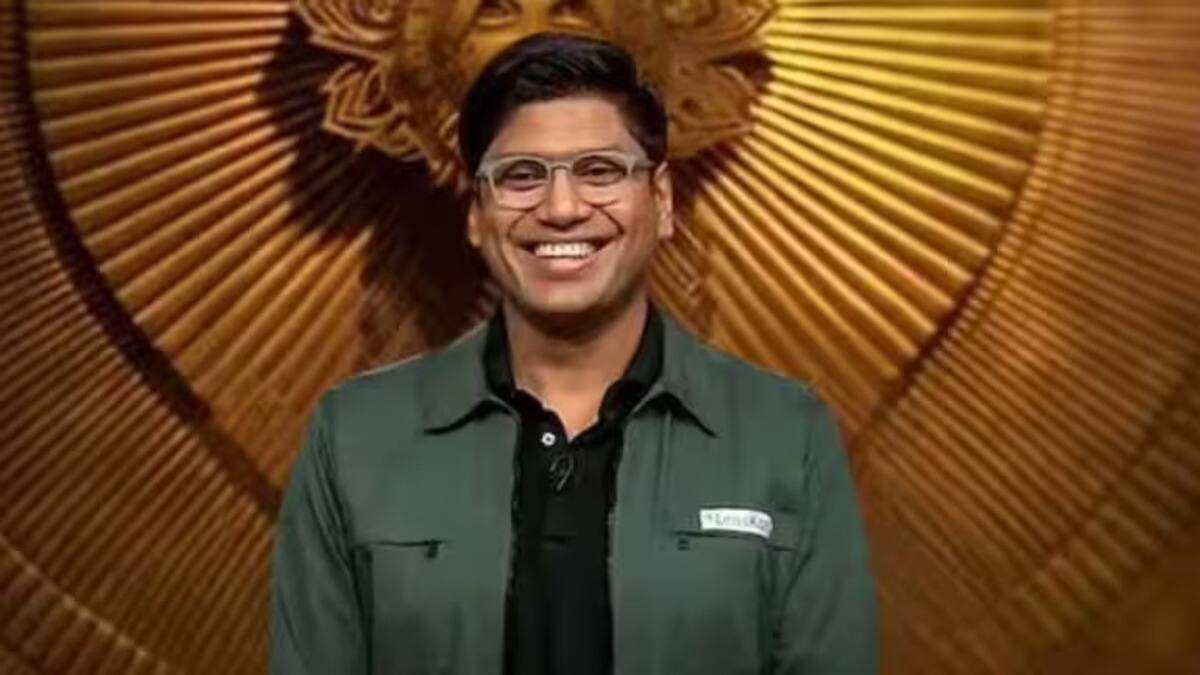
After a viral document led to “religious bias” allegations, Lenskart CEO Peyush Bansal apologises for “incorrect” old policy and issues new guide explicitly welcoming bindis, tilaks, and hijabs
Eyewear giant Lenskart officially released a revised and standardised “Grooming and Style Guide” on Saturday, seeking to put an end to a week of intense social media backlash.
The move comes after an internal document went viral, leading to allegations of religious discrimination by appearing to prohibit Hindu symbols like bindis and tilaks while permitting hijabs and turbans.
The controversy, which trended under boycott calls on X, forced CEO and Shark Tank India judge Peyush Bansal to issue multiple apologies, culminating in the publication of a transparent policy that “unambiguously” welcomes all symbols of faith.
The spark? ‘outdated’ guidelines
The row erupted earlier this week when images of a “Lenskart Staff Uniform and Grooming Guide” were shared online by author Shefali Vaidya.
The document explicitly stated that “religious tikka/tilak and Bindi/Sticker is not allowed” and required “religious threads/wristbands (kalawa) to be taken out.”
In contrast, the same guide allowed for black-coloured hijabs and turbans, provided they did not cover the company logo. Netizens quickly flagged the “religious asymmetry,” accusing the unicorn startup of being “anti-Hindu” and demanding a legal review of its corporate policies.
‘A language lapse’: CEO responds
As the outrage intensified, Peyush Bansal initially clarified on Thursday that the document was an “outdated internal training note” and not the official HR policy. He admitted that the document contained an “incorrect line” that should never have been written.
“I should have caught this earlier,” Bansal stated on X. “As Founder and CEO, the responsibility for such lapses is mine. We have thousands of team members across Bharat who wear their faith and culture proudly every day at our stores. They are Lenskart.”
Bansal noted that the problematic phrasing had actually been identified and removed internally on February 17, well before the public controversy began, but had remained in circulation via old training materials.
The new style guide: What changed?
The newly released 2026 Style Guide takes a more inclusive and culturally aware approach, making it clear that the workplace should reflect India’s diversity.
It explicitly allows symbols like the bindi, tilak, sindoor, kalawa, mangalsutra and kada as part of everyday workwear. At the same time, it keeps things balanced by continuing to permit symbols from other faiths, such as the hijab, turban and cross.
To make sure this works smoothly in practice, the company has also added a “reasonable accommodation” clause, encouraging employees to have open conversations with HR or their managers about their cultural or religious needs so that everyone feels comfortable and included.
Lenskart, which operates over 2,400 stores and recently hit a valuation of nearly $5.6 billion following its IPO, said that its diversity is its strength.
“If any version of our workplace communication caused hurt… we are deeply sorry,” the company’s official statement read.
First Published:
April 19, 2026, 11:01 IST
End of Article