

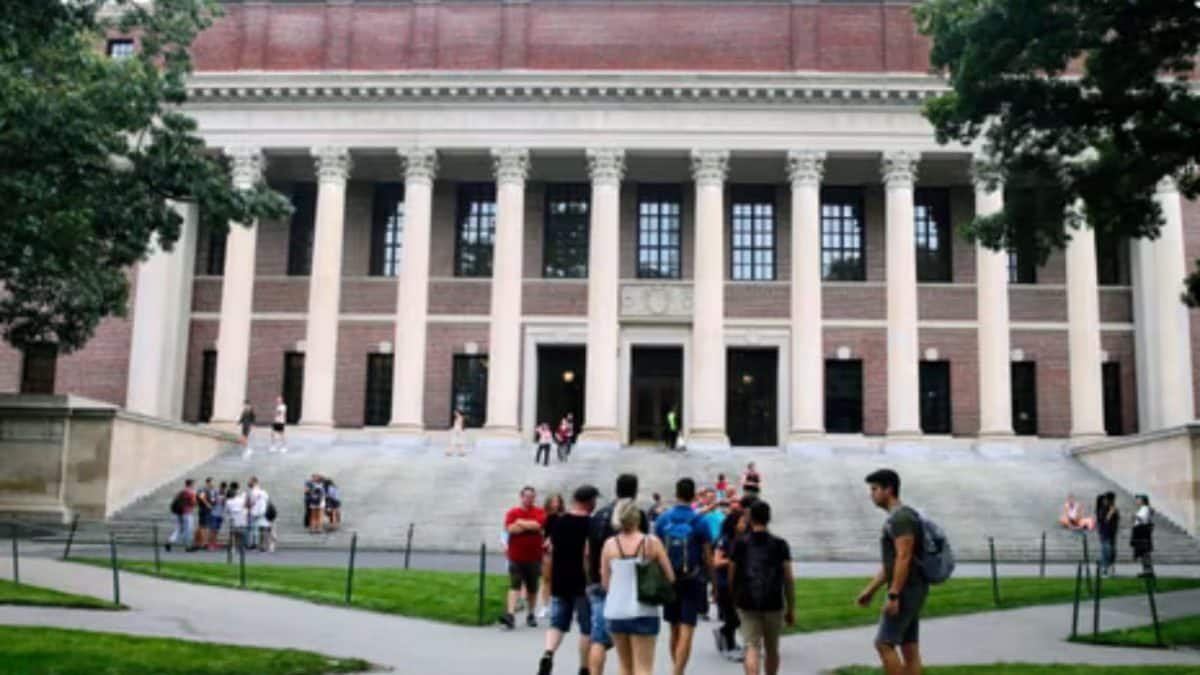
A recent Senate hearing on foreign influence in American higher education has highlighted the stark contrast between the perceived security risks of different international student bodies.
The landscape of higher education in the United States is currently facing intense scrutiny as lawmakers attempt to balance the benefits of global academic exchange with the pressing needs of national security. During a recent high level assembly in March, the focus shifted towards how international funding and research partnerships might leave American institutions vulnerable to outside agendas.
While much of the dialogue centered on the risks associated with certain nations, the contribution and integrity of the substantial Indian student population emerged as a significant point of validation. This gathering served as a critical platform for experts and politicians to weigh the immense value of a diverse campus against the potential for intellectual property theft and covert influence.
Security and the role of Indian scholars
Amidst broader worries regarding overseas interference, the presence of students from India was highlighted as a positive example of international cooperation. Despite being the single largest group of foreign nationals studying within the American system, their involvement has not triggered the same alarms as other regions.
Peter Wood, who leads the National Association of Scholars, pointed out that this demographic is viewed with a high level of confidence. During the proceedings, he noted that “Nobody to my knowledge has raised questions that Indian students coming to the United States pose a security risk,” which underscores the strong trust currently existing between these two nations in the academic sphere.
The strategic importance of research hubs
The discussion also touched upon the unparalleled position that American colleges hold on the global stage as engines of discovery. These institutions are responsible for pioneering work in fields ranging from medicine to defence, making them highly attractive to both legitimate students and those with less transparent motives.
Highlighting the scale of global investment, Committee Chairman Senator Bill Cassidy remarked that “Our country has the best universities in the world and major breakthroughs in cancer research, artificial intelligence, military technology, biomedical engineering, and more happen at our universities,” further adding that nearly ten billion dollars in foreign contracts and gifts were recorded in just the last year.
Risks associated with foreign capital
The primary concern for many speakers was the way in which certain governments might use financial contributions to gain a foothold in sensitive research areas. Particular attention was paid to the massive influx of funding from China, which has reportedly reached billions of dollars over recent years. Experts warned that some of this money is tied to organisations that are already on official watch lists.
This has led to a call for much stricter transparency regarding who is actually paying for major projects at top tier universities, as lawmakers worry that these funds could be used as a tool for state level espionage or to gain an unfair advantage in military and technological sectors.
Seeking a balanced path forward
Maintaining a competitive edge requires a delicate approach that does not discourage the best minds from around the world from choosing to study in the West. Some officials reminded the panel of the massive economic and cultural boost provided by international students, suggesting that any new regulations must be precise rather than broad.
There is now a push to update the Higher Education Act to ensure that all foreign gifts are fully disclosed and that university oversight remains robust enough to spot trouble before it begins. The goal remains to keep the doors open for genuine scholars while ensuring that the hard won secrets of the laboratory stay protected from those who wish to exploit them.
First Published:
April 14, 2026, 15:24 IST
End of Article