

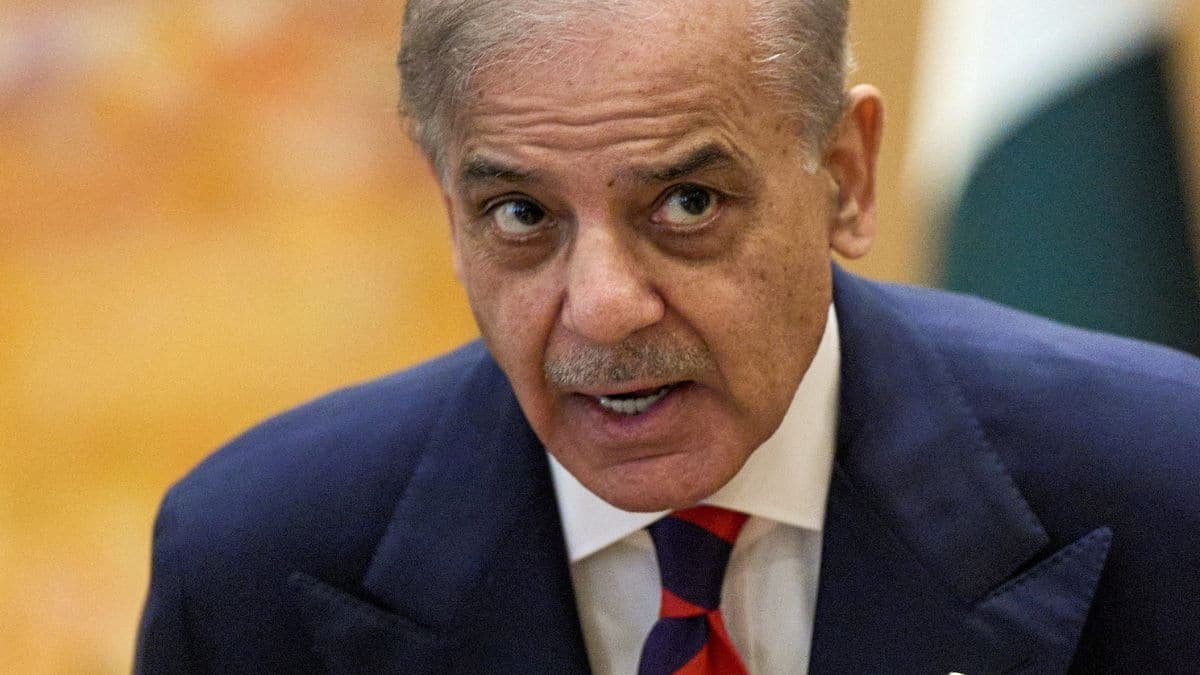
Pakistan acknowledged its inability to handle rising global oil prices, saying it does not have the kind of strategic oil reserves that have helped India manage the crisis.
Pakistan on Friday acknowledged its inability to handle rising global oil prices, saying it does not have the kind of strategic oil reserves that have helped India manage the crisis.
The admission comes at a time when
crude oil prices have surged sharply due to tensions in West Asia and disruptions in global supply routes.
According to an ANI report, Pakistan’s petroleum minister Ali Pervaiz Malik, in a TV interview, said that the country only has a few days’ worth of oil supplies and lacks any strategic reserves to fall back on.
The surge in prices,
which recently crossed $125 per barrel, has put heavy pressure on fuel-importing countries. With shipping affected in the Strait of Hormuz due to ongoing double blockade by the US and Iran, concerns over energy security have grown, especially for nations with limited reserves.
Pakistan faces energy vulnerability
In the interview, Malik said that Pakistan has only five to seven days of crude oil reserves, along with about 20 days of refined fuel held by oil marketing companies. He admitted that the country does not have strategic petrol reserves for a long period.
In contrast, India is estimated to have around 60 to 70 days of combined strategic and commercial reserves. This allows India to release oil stocks during emergencies and stabilise prices more effectively.
Malik also pointed out that India’s stronger foreign exchange reserves and better economic planning have helped it handle the current crisis more smoothly.
IMF limits Pakistan’s options
Pakistan’s ability to respond has been further restricted by its commitments to the International Monetary Fund (IMF). The government is required to maintain high fuel taxes to manage its fiscal deficit, leaving little room to reduce prices.
The minister said that Islamabad had to hold backchannel talks with the IMF to get some relief. Targeted subsidies were also introduced to support motorcyclists.
Public anger amid rising costs
The energy crisis has led to widespread protests across Pakistan. Although Prime Minister Shehbaz Sharif recently announced a cut in petrol prices, earlier hikes had already pushed fuel costs to record levels (PKR 378 per litre, petrol), triggering public anger and shortages.
The situation has been made worse by global tensions involving Iran and the United States, which have disrupted oil supplies through key routes. The Strait of Hormuz alone handles a significant share of global oil shipments.
India maintains relative stability
In comparison, India has managed to keep domestic fuel prices relatively stable. The government has adjusted taxes under existing laws and used its reserves to cushion the impact of rising global crude prices.
It is widely believed countries with larger reserves and stronger financial positions are better placed to handle such shocks, while others remain vulnerable to sudden disruptions in supply.
First Published:
May 02, 2026, 14:48 IST
End of Article