

India retains its status as the fastest-growing major economy at 6.5 per cent even as the IMF cuts global growth to 3.1 per cent amid West Asia tensions, with focus now shifting to fiscal risks flagged in the upcoming Fiscal Monitor
India has retained its position as the world’s fastest-growing major economy even as the global outlook darkens, with the International Monetary Fund warning that escalating conflict in West Asia has effectively “halted growth momentum” and raised fresh risks for inflation, fiscal stability and policy choices.
In its April World Economic Outlook, released at the Spring Meetings in Washington, the IMF cut global growth projections for 2026 to 3.1 per cent, while raising its global inflation forecast to 4.4 per cent, underscoring the disruptive impact of war-driven energy shocks and supply chain fragmentation.
The downgrade comes amid intensifying uncertainty around the West Asia conflict, which the IMF identified as the single largest macroeconomic shock currently facing the world economy. The Fund warned that even its baseline projections assume a relatively short-lived conflict — a scenario that is increasingly being challenged by continued disruptions to energy flows and trade routes.
India stands out, but risks deepen
Against this weakening global backdrop,
India remains an outlier. The IMF has projected the Indian economy to grow at 6.5 per cent in 2026, retaining its status as the fastest-growing major economy for the third consecutive year.
The resilience, the Fund said, is being supported by strong domestic demand, carryover momentum from 2025, and easing external trade pressures, including lower US tariffs on Indian goods.
However, the upgrade comes with clear caveats.
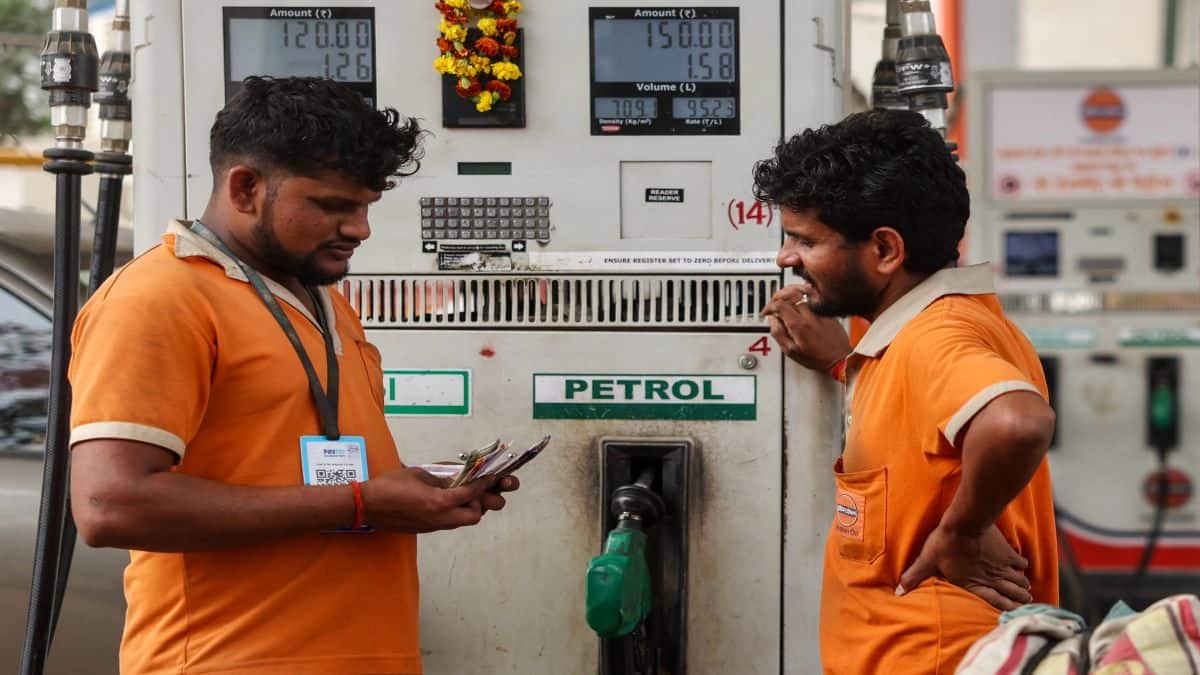
The IMF flagged that countries heavily exposed to energy imports and global supply disruptions face asymmetric economic damage, placing India in a vulnerable position given its nearly 90 per cent dependence on crude oil imports.
This structural exposure means that any sustained rise in oil prices — especially in scenarios where crude moves towards or above $100 per barrel — could quickly feed into inflation, widen the current account deficit and complicate macroeconomic management.
War impact worse than financial crises
In a dedicated analysis chapter on conflict-driven recoveries, the IMF warned that economic damage caused by wars tends to be deeper and more persistent than that from financial crises.
Output losses in conflict scenarios, the report noted, can take years to reverse, as they disrupt not only production and trade but also investment cycles, labour markets and fiscal balances.
The ongoing West Asia conflict has already triggered sharp GDP contractions in several energy-producing economies and is threatening to spill over into broader global financial conditions if disruptions persist.
The Fund outlined multiple scenarios — from a benign case with oil prices easing later in 2026 to a severe scenario where crude averages above $110 per barrel — the latter pushing the global economy to the brink of recession.
Fiscal Monitor in focus
Attention is now turning to the IMF’s Fiscal Monitor, scheduled for release later on Wednesday, which is expected to sharpen concerns around rising government debt and fiscal vulnerabilities.
For India, the report is likely to highlight a key policy dilemma: whether to absorb higher fuel costs through subsidies or pass them on to consumers, with both choices carrying economic trade-offs.
Subsidies could shield households and businesses from inflation but risk widening the fiscal deficit, while passing on costs could exacerbate inflationary pressures and dampen consumption.
The IMF has already cautioned governments globally against broad-based fuel subsidies, urging instead targeted and temporary support to protect the most vulnerable without undermining fiscal stability.
RBI policy constraints tighten
India’s growth resilience, while notable, is becoming increasingly conditional on macroeconomic stability — particularly inflation and currency dynamics.
With global inflation pressures rising and oil prices remaining volatile, the room for monetary easing is narrowing. Rate cuts by the Reserve Bank of India are now effectively off the table in the near term if inflation stays elevated and the rupee remains under pressure.
This places the central bank in a delicate position — balancing growth support with the need to anchor inflation expectations and maintain external stability.
First Published:
April 15, 2026, 11:40 IST
End of Article