

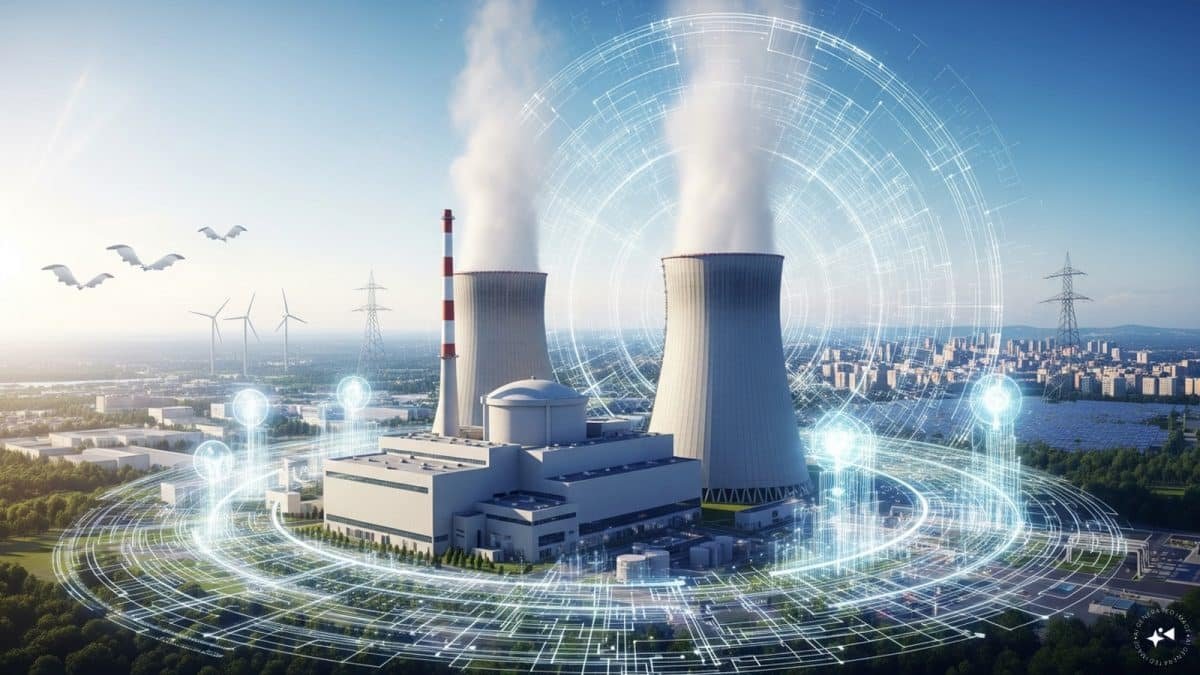
India on Monday achieved a major milestone in its civil nuclear programme, with the Prototype Fast Breeder Reactor (PFBR) at Kalpakkam attaining “criticality.” The PFBR is India’s most advanced nuclear reactor so far and has been developed largely using domestic expertise.
India on Monday achieved a major milestone in its civil nuclear programme, with the Prototype Fast Breeder Reactor (PFBR) at Kalpakkam in Tamil Nadu attaining “criticality”. External Affairs Minister S Jaishankar called the development a “historic milestone”, highlighting its importance for India’s energy independence and technological progress.
The reactor reached this stage on April 6, marking a crucial step before it begins full power generation. Prime Minister Narendra Modi described this achievement as a “defining step” in India’s nuclear journey, underlining the country’s scientific and engineering capabilities.
Today, India takes a defining step in its civil nuclear journey, advancing the second stage of its nuclear programme.
The indigenously designed and built Prototype Fast Breeder Reactor at Kalpakkam has attained criticality.
This advanced reactor, capable of producing more fuel…
— Narendra Modi (@narendramodi) April 6, 2026
The PFBR is India’s most advanced nuclear reactor so far and has been developed largely using domestic expertise.
What ‘criticality’ means?
In simple terms, criticality is the point at which a nuclear reactor achieves a self-sustaining chain reaction. This means that Plutonium that is being fed into fast breeder reactors, would breed more Plutonium by itself, without any external support.
Reaching criticality does not mean that the reactor has become fully operational. It is an important milestone that comes before the power generation finally begins. In simple terms, though the electricity is not yet flowing, the biggest technical hurdle has been cleared.
Why this reactor is important?
The PFBR is a 500 megawatt electric (MWe) reactor and is part of India’s three-stage nuclear power programme. The latest development represents the second stage of this long-term strategy.
The unique characteristic of this reactor is its ability to produce more fuel than it consumes. Known as a “breeder reactor”, it uses plutonium-based fuel and can generate additional fissile material for future input use.
This is particularly important for India, as the country has limited Uranium reserves, but abundant Thorium reserves. It is expected that the PFBR will play a key role in using thorium as a major energy source (in the third stage of the nuclear programme.)
Boost to self-reliance
The Kalpakkam reactor has been designed and built in India, showcasing the country’s indigenous capabilities in complex nuclear technology.
Experts say this achievement places India among a select group of countries that have developed fast breeder reactor technology at this scale. People on social media platforms have also celebrated this critical nuclear achievement of India.
The West poured $50 billion into fast breeder nuclear reactors and abandoned every single one. India poured $900 million and just achieved criticality on the first commercially viable one outside Russia.
The US spent $15 billion. Gave up. Japan spent $12 billion. Their Monju… https://t.co/29D1ufZ9kR
— Aakash Gupta (@aakashgupta) April 7, 2026
Nuclear researcher Nick Touran termed this a ‘great accomplishment’ for India, highlighting that how even the United States failed to develop the Breeder technology.
A great accomplishment! This is a high-tech and powerful reactor, bigger than the Clinch River Breeder the US tried but failed to deliver in the 70s-80s. Breeder technology has long been considered the ultimate goal for nuclear fission. Often demonstrated, not yet done… https://t.co/BrndnTx1ZM
— Nick Touran (@whatisnuclear) April 7, 2026
The PFBR has been in development for over two decades and is now close to becoming fully operational. Once commissioned, it is expected to significantly contribute to India’s electricity generation and clean energy goals.
End of Article